
Bridges
& crowns

Enhance your dental health and regain your smile.

If you’re seeking effective solutions for restoring damaged teeth or filling the gaps in your smile, you’ve come to the right place. Our dedicated team is excited to introduce you to the world of dental bridges and crowns.

Dental
Bridges

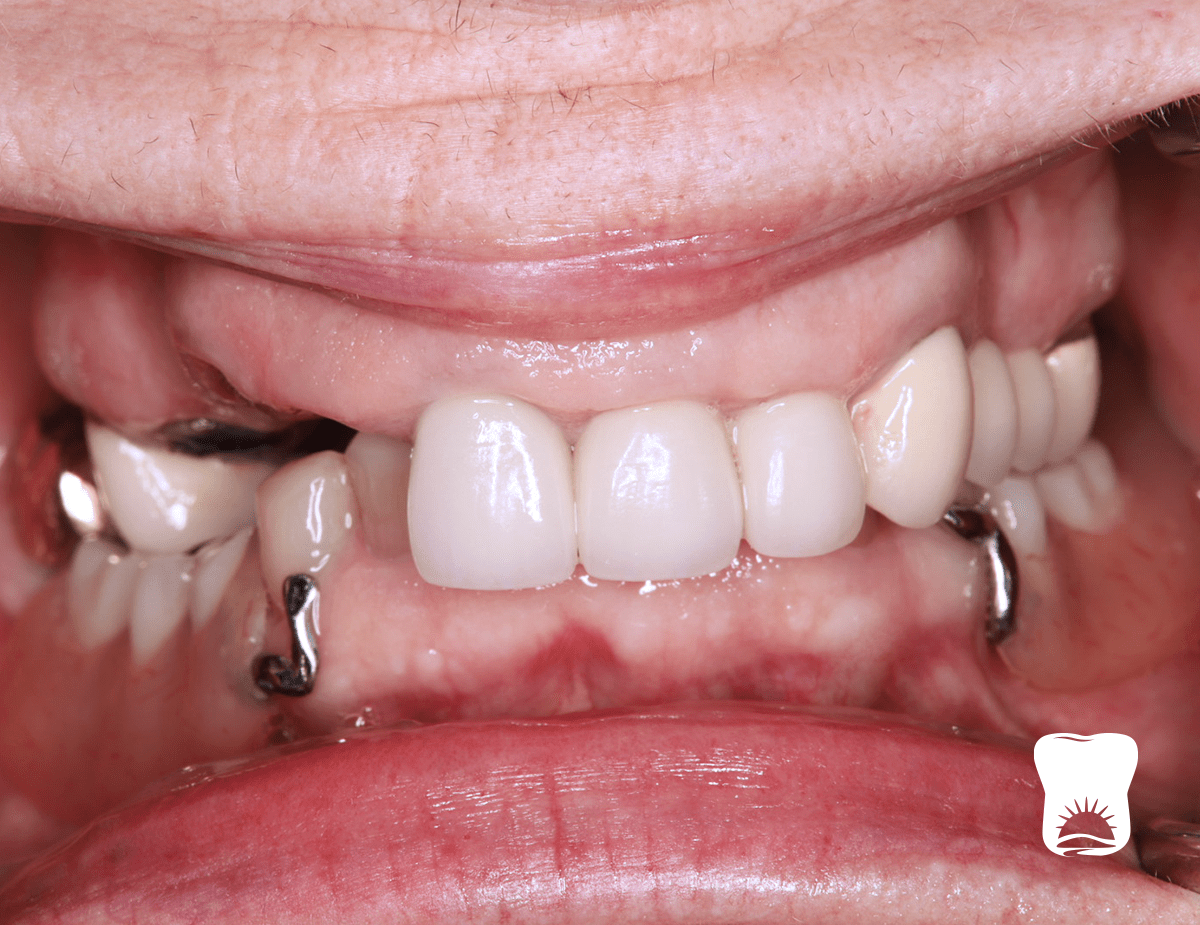
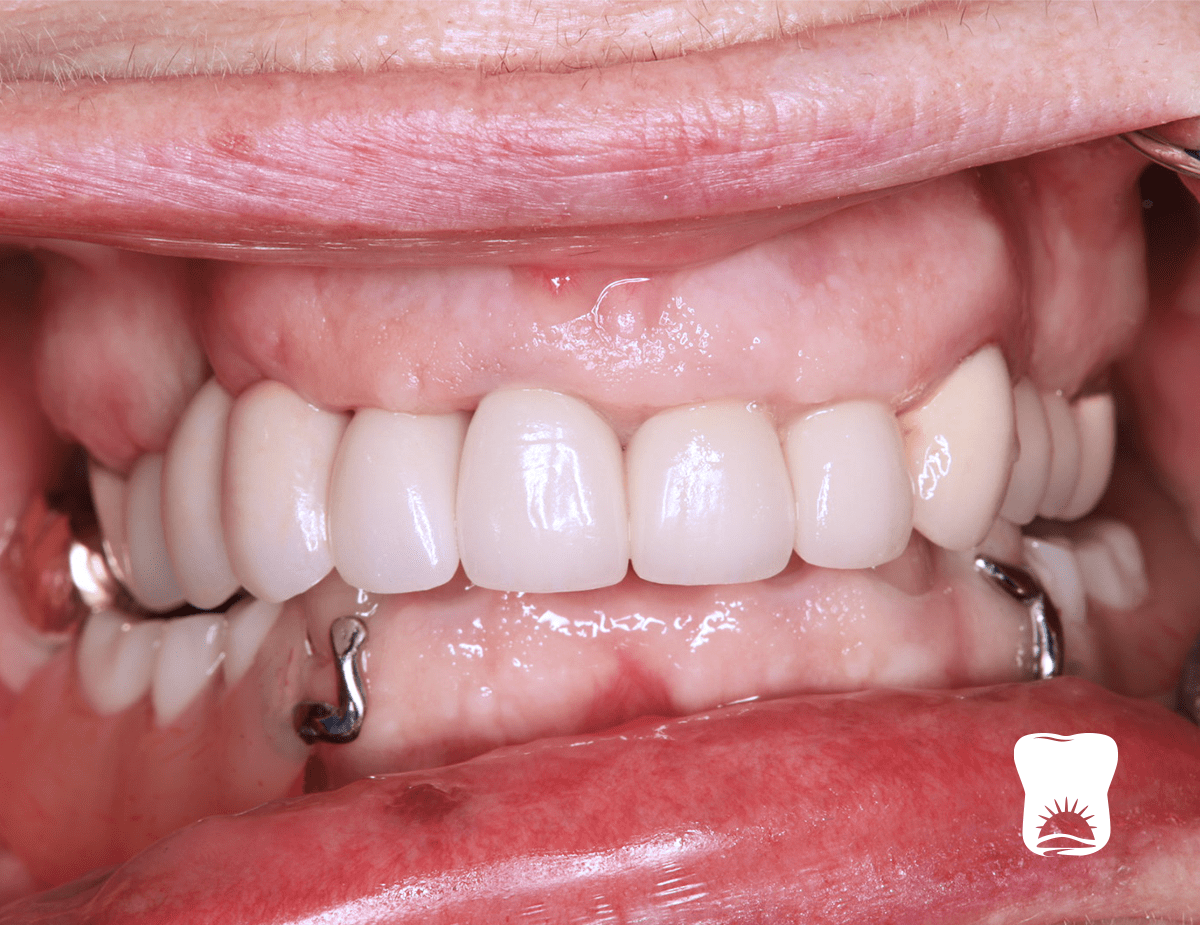
A dental bridge is a restorative treatment that is used to replace one or more missing teeth in the same area. There are many types of dental bridges available, and the best option for you depends on your specific situation. Our team will thoroughly examine your teeth to identify the most suitable type of bridge for your situation.

How they work

Dental Bridges involve attaching a replacement tooth (pontic) between shaped abutment teeth on each side of a gap. The abutment teeth are prepared to match the original teeth’s size and shape. While porcelain is the primary material, gold or metal alloys can also be used. After teeth preparation, an impression is sent to an off-site lab, and a temporary bridge is provided. Dental Bridges restore function, prevent teeth shifting, and suit individuals with missing teeth and good hygiene. Proper home care, including bridge-specific flossing, is crucial, alongside regular dental visits for monitoring and maintenance.

Case Studies
Dental
Crowns

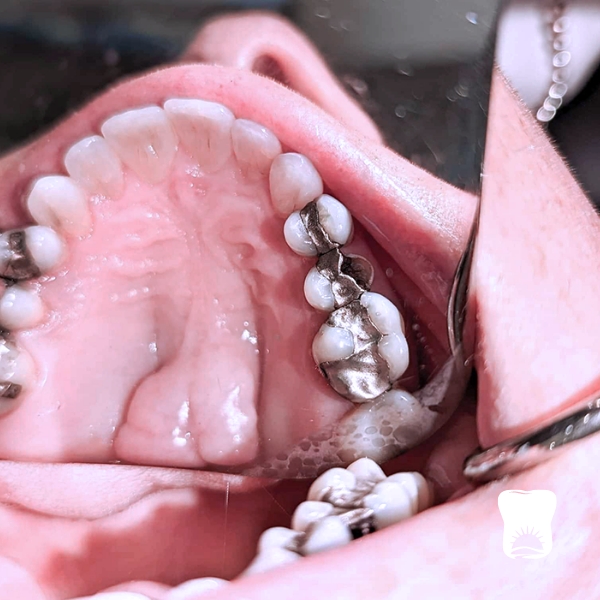
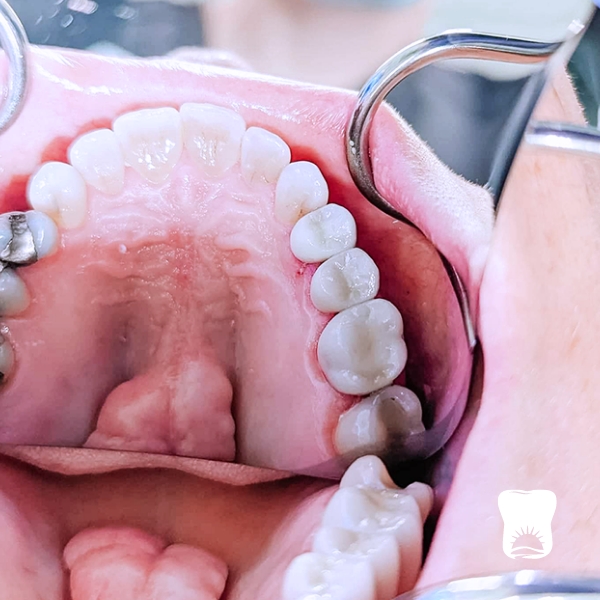
Dental Crowns are a dependable procedure for restoring teeth with extensive restorations or after root canal treatment. We provide all-ceramic crowns that restore function and retain natural aesthetics which is ideal for teeth with large fillings, root canal-treated teeth, and those prone to recurrent decay.

How they work

Dental Crowns are individually crafted using diverse materials such as ceramic porcelain, Zirconia-based porcelain, porcelain-fused-to-metal, full cast metal, and traditional gold. The choice of crown is tailored to your needs considering factors like aesthetics, location in your mouth, dental habits, teeth grinding, and personal preference. Crowns are recommended when teeth require fillings exceeding natural structure, exhibit extensive damage or decay, show fracture lines, display compromised aesthetics, or have undergone Root Canal Therapy, necessitating protection due to increased fragility. The procedure involves tooth shaping and obtaining a detailed impression, followed by crafting a custom crown by skilled lab technicians. Our priority is to restore both the functionality and the visual appeal of your teeth, bringing you back to your smile.

Case Studies
Bridge + Crown FAQs

What does a crown or bridge cost in Alberta?

The cost of a dental crown or bridge depends on several factors, including the type of restoration needed, the materials used, and the complexity of your treatment. Most dental offices in Alberta use the current Alberta Dental Fee Guide as a reference when determining fees. A dental crown is designed to restore and protect a damaged tooth, while a dental bridge replaces one or more missing teeth by attaching to the neighbouring teeth.

During your examination, we’ll evaluate your smile, discuss your treatment options, and provide a detailed estimate before any treatment begins. If you have dental insurance, our team is happy to help you understand your coverage and maximize your benefits.

How long does a crown last?

A well-made dental crown can often last 10 to 15 years, and many patients enjoy their crowns for 20 years or longer with excellent oral hygiene. The lifespan of a crown depends on factors such as:

  • Daily brushing and flossing
  • A healthy diet that avoids too much acid or excess sugars
  • Regular dental checkups and cleanings
  • Avoiding habits like chewing ice or using your teeth as tools
  • Grinding or clenching your teeth

Although the porcelain or ceramic crown itself is very durable, the tooth underneath still requires good care to prevent decay around the edges of the crown.

Crown vs filling: which one do I need?

Both crowns and fillings repair damaged teeth, but they are used in different situations.

A filling is usually recommended when:

  • The cavity is small to moderate
  • Most of the natural tooth is still healthy
  • The tooth has only minor cracks or wear

A crown may be the better option when:

  • A large portion of the tooth is missing
  • The tooth has had a root canal
  • There are significant cracks or fractures
  • A large filling has weakened the tooth

Think of it this way: a filling repairs part of the tooth, while a crown covers and protects the entire visible portion, helping restore its strength and appearance. After examining your tooth, your dentist will recommend the option that offers the best long-term outcome.

Bridge vs implant: which is better?

Both dental bridges and dental implants are excellent ways to replace missing teeth, but the best choice depends on your individual needs.

A dental bridge:

  • Replaces one or more missing teeth
  • Uses the neighbouring teeth for support
  • Usually requires fewer appointments

A dental implant:

  • Replaces both the tooth and its root
  • Does not rely on neighbouring teeth
  • Helps preserve jawbone over time
  • Can last for decades with proper care

Neither option is automatically better for everyone. Factors such as your overall oral health, bone density, budget, timeline, and personal preferences all play a role. We’ll discuss the advantages and disadvantages of each treatment so you can make an informed decision.

Is a crown painful?

Most patients are pleasantly surprised by how comfortable getting a dental crown is. The tooth is thoroughly numbed with local anesthetic before treatment begins, so you may feel pressure but not pain during the procedure.

After your appointment, it’s normal to experience mild sensitivity or tenderness for a few days, especially around the gums. This discomfort is usually temporary and can often be managed with over-the-counter pain medication if needed.

Big City Dentistry,
Small Town Charm